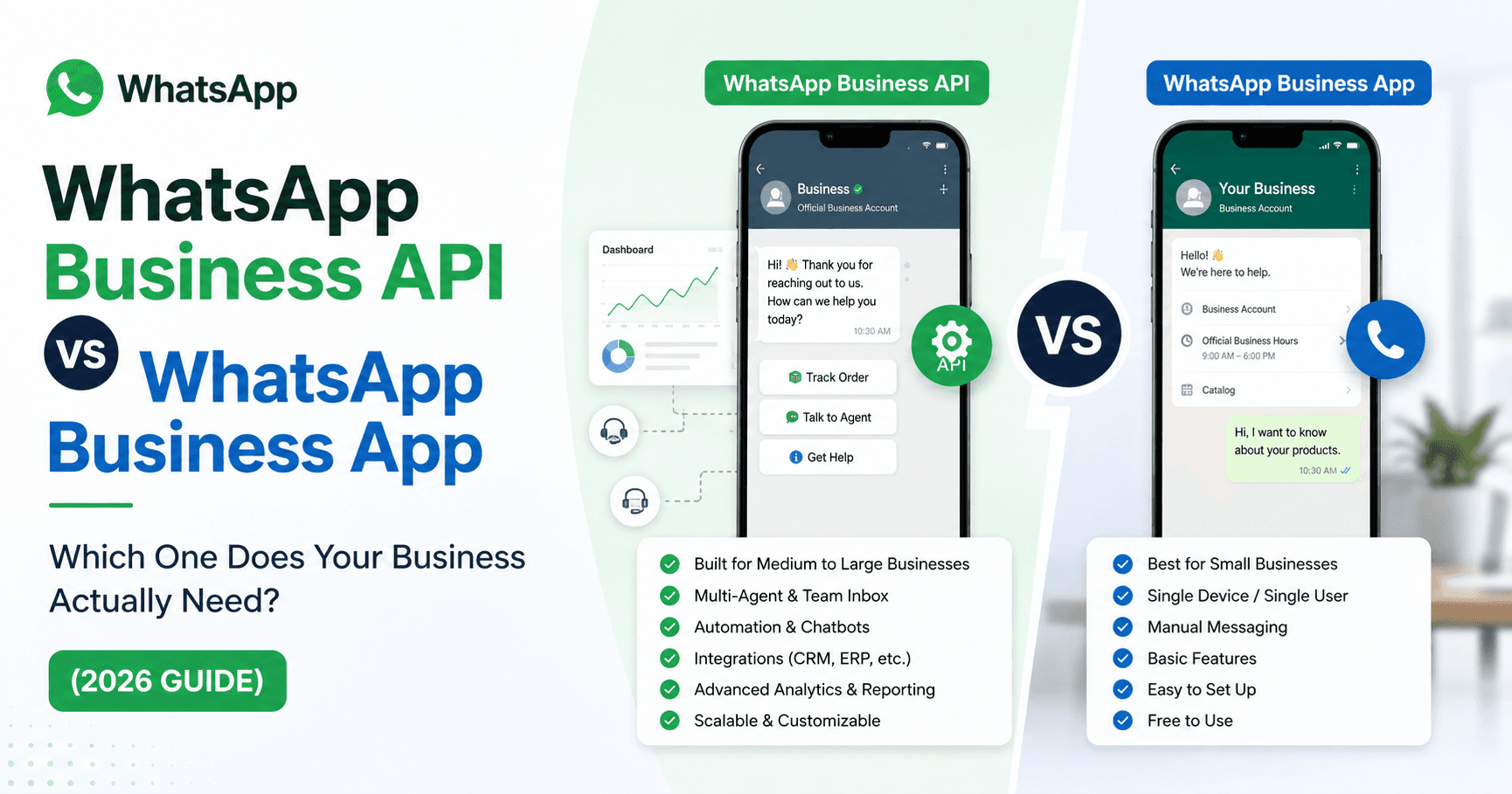
Many businesses start using WhatsApp because it’s simple, familiar, and where customers already spend their time. At first, tools like WhatsApp Web or the WhatsApp Business App seem enough to manage conversations and send messages to customers.
But as a business grows, teams quickly run into problems. Customer inquiries increase, marketing campaigns become harder to manage, and tracking results becomes almost impossible.
This is why many companies eventually move from basic WhatsApp usage to a WhatsApp marketing platform designed for businesses.
In this guide, we’ll explore the most common problems businesses face with basic WhatsApp tools and how modern platforms solve them.
Problem 1: WhatsApp Web Cannot Handle Multiple Team Members Efficiently
When a business begins receiving dozens or hundreds of customer messages every day, managing conversations through WhatsApp Web becomes chaotic.
Only a limited number of devices can connect to a single WhatsApp account. Even when multiple devices are linked, there is no structured way to assign chats to different team members.
This leads to common issues such as:
Two agents replying to the same customer
Customers waiting long periods for responses
Messages getting lost in busy chat lists
No clear ownership of conversations
For customer-facing teams like sales, support, or onboarding, this creates frustration for both employees and customers.
Solution: Use an Omnichannel Team Inbox
Instead of relying on a single WhatsApp screen, businesses use an omnichannel live chat inbox that allows multiple team members to manage conversations simultaneously.
In a professional business setup:
chats can be assigned to agents
conversation history is shared across the team
departments like sales and support can collaborate
responses remain organized
This allows companies to handle a much larger number of customer interactions without losing control of communication.
Problem 2: No Automation for Repetitive Customer Questions
Many customer questions are repetitive:
“What are your pricing plans?”
“How do I get started?”
“Can you send me product details?”
“Is support available today?”
When businesses rely only on WhatsApp Web, every response must be typed manually. This wastes time and slows down customer service.
For SaaS companies or online businesses, this becomes especially difficult during onboarding when new users frequently ask the same questions.
Solution: Smart Chatbots and Automated Replies
Businesses now use AI powered chatbots for businesses to handle common questions automatically.
Automation can help with tasks like:
sending product information instantly
answering frequently asked questions
guiding customers through signup steps
directing users to the right department
For example, many SaaS companies use WhatsApp automation for SaaS to automatically guide new users through onboarding processes, reducing the workload on support teams.
Automation ensures customers receive instant responses while teams focus on more complex requests.
Problem 3: Sending Marketing Messages Is Difficult and Risky
Businesses often want to send announcements such as:
product launches
promotional offers
event invitations
updates or reminders
Using WhatsApp Web for marketing campaigns is not practical. Messages must be sent manually, and sending large volumes can even put accounts at risk.
This makes it nearly impossible to run structured marketing campaigns through basic WhatsApp tools.
Solution: Broadcast Messaging Platforms
A WhatsApp Broadcast Messaging Platform allows businesses to send messages to many customers in a structured and compliant way.
These platforms offer features such as:
audience segmentation
scheduled campaigns
approved message templates
analytics for campaign performance
Instead of sending messages manually, businesses can launch campaigns that reach thousands of customers while maintaining professional communication standards.
Problem 4: No Visibility Into Campaign Performance
One of the biggest limitations of WhatsApp Web is the lack of analytics.
When businesses send marketing messages, they often want answers to questions like:
Did customers open the message?
Which links did they click?
Which campaigns generated leads or sales?
Without proper tracking tools, it becomes difficult to understand whether marketing efforts are actually working.
Solution: Campaign and Click Tracking Tools
Professional messaging platforms include features like click tracking for WhatsApp marketing, allowing businesses to measure campaign performance.
With tracking tools, companies can see:
which links customers clicked
how many users interacted with campaigns
which messages generated conversions
Data like this helps businesses improve their marketing strategy and focus on campaigns that deliver real results.
Problem 5: Customer Data Is Scattered Across Different Channels
Modern businesses communicate with customers through many platforms:
WhatsApp
Instagram
website live chat
email
Facebook Messenger
When these channels operate separately, teams struggle to keep track of customer conversations. Important information gets scattered across platforms, making it difficult to deliver a consistent customer experience.
Solution: Unified Customer Communication
An Omnichannel messaging platform allows businesses to manage multiple communication channels from one dashboard.
Instead of switching between different apps, teams can handle conversations from:
WhatsApp
social media platforms
websites
email
All messages appear in a single workspace, making it easier to manage customer relationships and respond faster.
Problem 6: Customer Onboarding Is Slow and Manual
For many businesses, the onboarding process requires multiple steps:
collecting customer details
sending instructions
sharing product tutorials
guiding users through setup
Doing this manually through WhatsApp Web takes time and often results in inconsistent communication.
New customers may feel confused or lose interest if the process takes too long.
Solution: Automated Customer Onboarding
Automation tools can guide customers through onboarding with structured workflows.
For example:
new leads receive welcome messages automatically
onboarding instructions are delivered step-by-step
reminders are sent if customers do not complete actions
Many SaaS companies now rely on WhatsApp onboarding automation for SaaS to ensure new users understand how to start using their product immediately.
This improves user experience while reducing manual work for support teams.
Problem 7: Scaling Customer Communication Becomes Impossible
At a small scale, WhatsApp Web works fine. But once a company grows, communication needs expand quickly.
Businesses may need to handle:
thousands of customer inquiries
daily marketing campaigns
automated support responses
multiple departments managing conversations
Basic tools simply cannot support this level of communication.
Solution: Dedicated Business Messaging Platforms
A professional WhatsApp marketing platform is built specifically to handle large-scale customer communication.
These platforms provide:
automation tools
team collaboration features
campaign management
analytics and tracking
integration with CRM systems
Instead of struggling with manual processes, businesses can create structured workflows that improve efficiency and customer satisfaction.
The Future of Business Communication Is Automated and Unified
WhatsApp continues to grow as one of the most important communication channels for businesses worldwide. However, the way companies use WhatsApp is changing.
What started as a simple messaging tool has evolved into a powerful platform for:
marketing campaigns
customer support
onboarding automation
sales conversations
Businesses that rely only on WhatsApp Web will eventually face limitations as customer communication grows.
Modern companies are moving toward automated, scalable systems that allow them to manage conversations, campaigns, and customer journeys in one place.
By adopting the right tools, businesses can turn WhatsApp from a simple chat app into a powerful customer engagement channel that drives growth.